
Mealtime Moments
What Your Cat's Eating Habits Reveal
CAT-NUTRITIONCAT-BEHAVIOR-TRAININGSPECIAL-NEEDS-CATSCAT-HEALTH-GROOMING
11/15/20252 min read
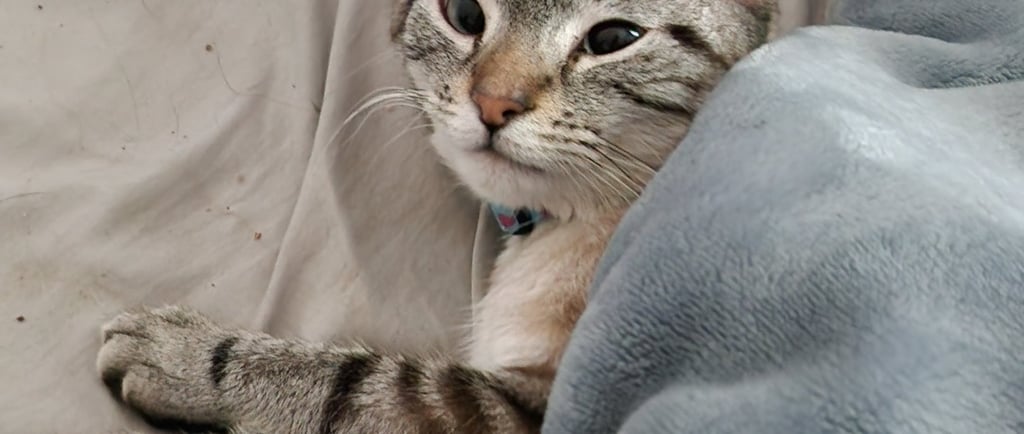
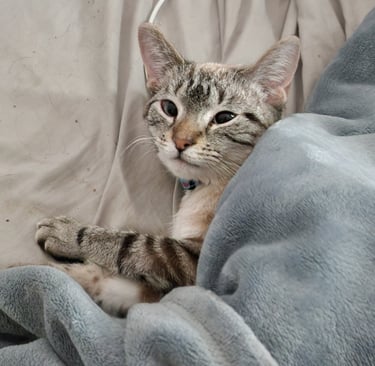
At our sanctuary, mealtime is one of the most telling parts of the day. It's when we truly see each cat's personality shine through—and when we learn just how unique their feline nutrition needs can be.
Every Cat Has Their Own Story
We care for several cats on specialized urinary tract health diets, a few requiring sensitive stomach cat food formulas, and one very special girl who simply won't eat unless someone sits beside her. These aren't just dietary requirements; they're windows into each cat's individual journey and personality.
Understanding Urinary Health in Cats
Our UTI-prone cats have taught us that proper cat nutrition isn't one-size-fits-all. Their specialized urinary care cat food helps prevent painful crystals and keeps them comfortable, but it took patience to find formulas they'd actually enjoy. We've had success with prescription urinary diets like Hill's Prescription Diet c/d and Royal Canin Urinary SO, which our veterinarian recommended for cats with urinary issues.
Caring for Sensitive Stomachs
Our sensitive stomach crew reminds us daily that gentle digestion matters—the right cat food for sensitive stomachs means happy, playful cats instead of uncomfortable ones. Limited ingredient cat food and easily digestible formulas like Hill's Science Diet Sensitive Stomach have made a tremendous difference in their quality of life.
The Power of Presence: Understanding Cat Feeding Behavior
Then there's our companion diner. She'll sit by her full bowl, waiting patiently until someone settles down nearby. Only then will she eat, glancing up occasionally as if to make sure you're still there. It's a beautiful reminder that for some cats, especially those who've experienced trauma or neglect, cat feeding behavior isn't just about food—it's about trust and feeling safe.
Creating a Comfortable Feeding Environment
For anxious eaters like our companion diner, we've found that elevated cat food bowls and slow feeder cat bowls can help create a more comfortable dining experience. Pairing these with consistent feeding schedules and a calm environment helps build positive mealtime associations.
Tips for Cat Parents
Whether you're adopting a cat with special dietary needs or noticing changes in your current cat's eating habits, here are some key takeaways:
Consult your veterinarian before switching to specialized cat food formulas
Transition gradually when introducing new cat nutrition options to avoid digestive upset
Observe feeding behavior - changes in appetite or eating patterns can signal health issues
Invest in quality bowls - stainless steel cat bowls are the easiest to keep clean and won't harbor bacteria
Create routine - cats thrive on consistent feeding schedules
Understanding these habits helps us provide better cat care and helps potential adopters know what to expect. Every quirk tells a story worth listening to, and with the right approach to feline nutrition and feeding behavior, every cat can thrive.
Looking to support our sanctuary? When you purchase cat food and supplies through any of the Amazon links in this article (or sprinkled elsewhere throughout this site), we earn a small commission that helps us care for our sanctuary's cats. Thank you for helping us continue our mission!
Contact us at:
Bre@SpecialLittleWhiskersKittenRescue.com
(217)386-1746
Special Little Whiskers Sanctuary is sustained through affiliate commissions. When you shop through our links, you're directly supporting the animals in our care. Thank you!
© 2025. All rights reserved.